







Search Results for: Temperature and Taste
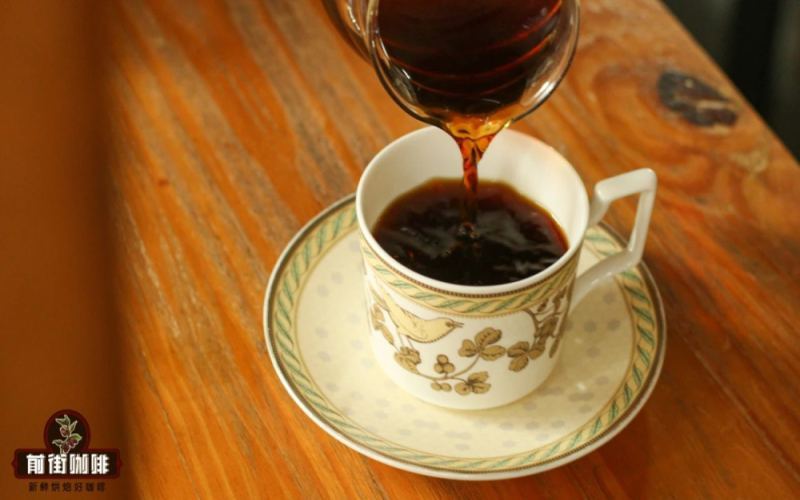
Why Does Coffee Taste So Different After It Cools? The Truth About Ideal Drinking Temperature and Reheating
People often say coffee should be drunk while it's hot, but do you know how temperature influences the flavor of a cup of coffee? At Front Street Coffee, cupping involves evaluating the coffee at three stages—hot, medium, and cool—because the taste compounds in the brew and the human senses both change at different temperatures. Bitterness intensifies as temperature drops, sweetness is most pronounced near body temperature, and acidity is affected by roast level and oil oxidation. This article will walk you through the flavor evolution of coffee from hot to cold, the optimal drinking temperature range, and answer whether coffee can be reheated after it has cooled. [more…]

The Ideal Drinking Temperature for Coffee | Why Should Black Coffee Be Drunk Hot? How Does Temperature Affect Coffee Flavor? Can Espresso and Pour-Over Coffee Be Reheated?
For more specialty coffee knowledge, please follow our WeChat official account: FrontStreet Coffee The temperature at which coffee enters the mouth is crucial for taste perception. I believe everyone knows that when tasting coffee, it needs to be tasted at high, medium, and low temperatures. What a cup of coffee expresses at different temperatures [more…]
How Does Cup Temperature Affect Coffee Flavor? A Comparative Experiment on Preheating vs. Chilling a Pour-Over Coffee Cup
Coffee aroma is volatile, and the higher the temperature, the faster it dissipates, so some have proposed using low-temperature containers to lock in the aroma. Front Street Coffee compared three types of pour-over coffee vessels—a high-temperature cup, a room-temperature cup, and a frozen cup—to test whether cup temperature truly affects coffee aroma and flavor performance. The experiment used Kenya Asaliya coffee beans with uniform brewing parameters, and the results showed that cup temperature mainly changes the temperature of the coffee when it enters the mouth, rather than the amount of aroma, but temperature differences do indeed cause noticeable changes in flavor perception. This article will present the experimental process and conclusions in detail, and offer cup selection suggestions for different weather conditions. [more…]
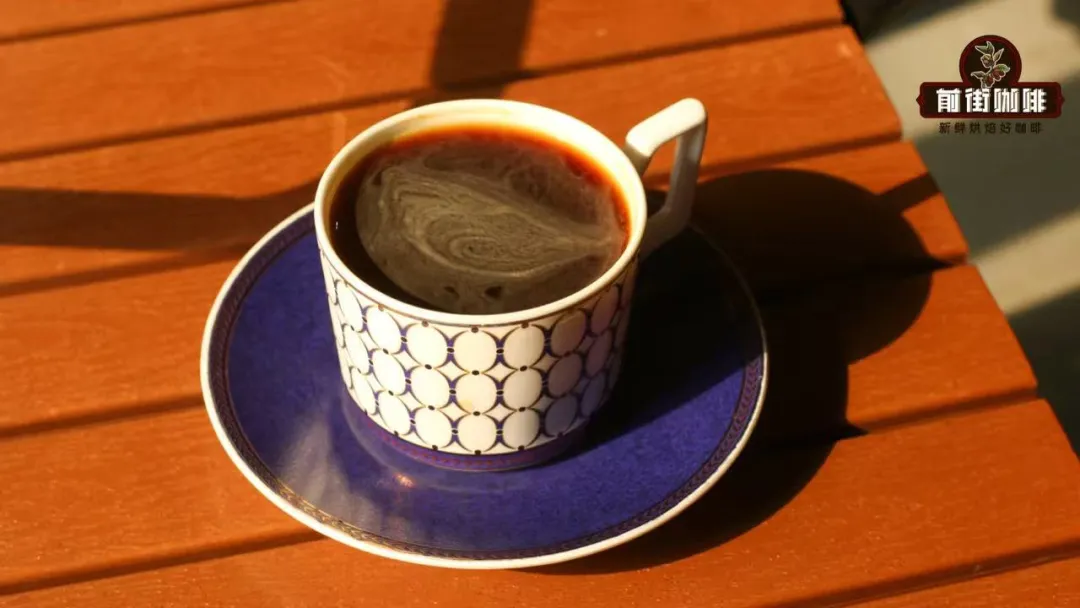
The Ideal Temperature for Americano | How Big Is the Difference in Flavor and Mouthfeel Between Hot and Iced Americano? An Introduction to the Standard Recipe for Hot Americano: Coffee-to-Water Ratio and Water Temperature
Because American soldiers during World War II were not used to the extremely strong small cups of coffee local to Europe, they asked the shops to add hot water to dilute it, imitating the taste and flavor of American drip coffee. And because this cup of coffee was widely popular among American soldiers, it was named Americano "America [more…]
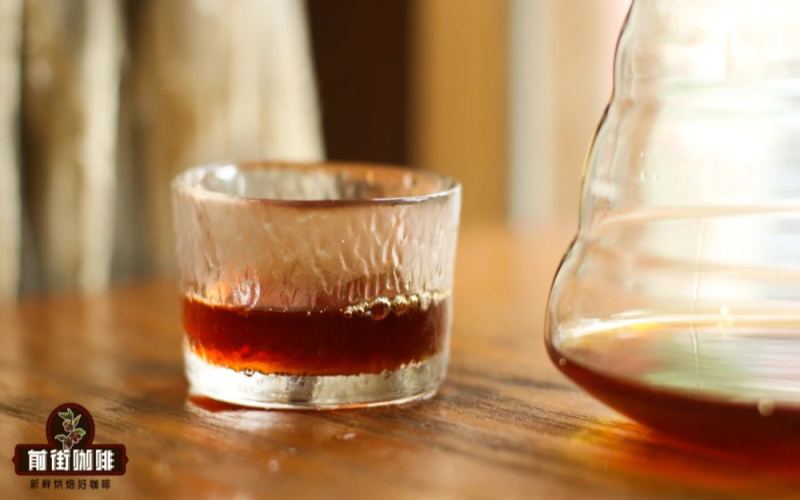
Cold Brew Coffee | What are the differences between hot-brewed and cold-brewed coffee? Why does iced coffee taste better? Which coffee beans are suitable for cold brew?
For more specialty coffee knowledge, please follow our WeChat official account: FrontStreet Coffee. Tea is part of Chinese culture, while coffee has also gradually come into people's view and become one of the three major beverages, becoming an indispensable part of people's lives. As for the love of coffee [more…]
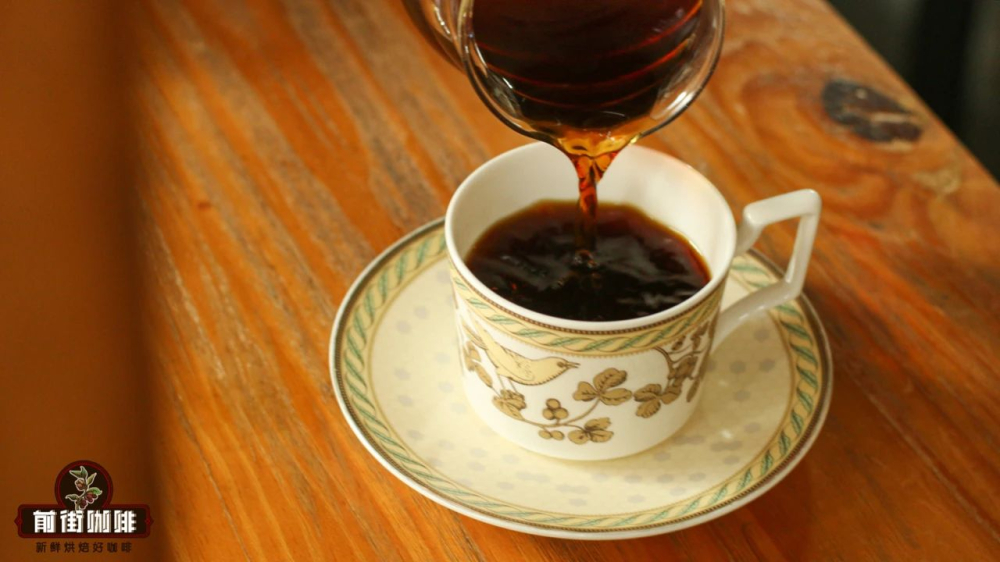
Pour-over black coffee drinking method | What is the best temperature for tasting coffee? Is there a big difference in coffee flavor at different temperatures? Can pour-over coffee be reheated after it cools down?
The saying "coffee should be drunk while it's hot" is something people often keep on their lips, and not without reason! Front Street Coffee remembers a coffee friend describing coffee after it had gone cold like this: "After one sip my head hurt so much, that bitter/sour + woody taste lingered in my mouth and wouldn't go away, and it made me withdraw for a long time~" Hot coffee left to cool [more…]
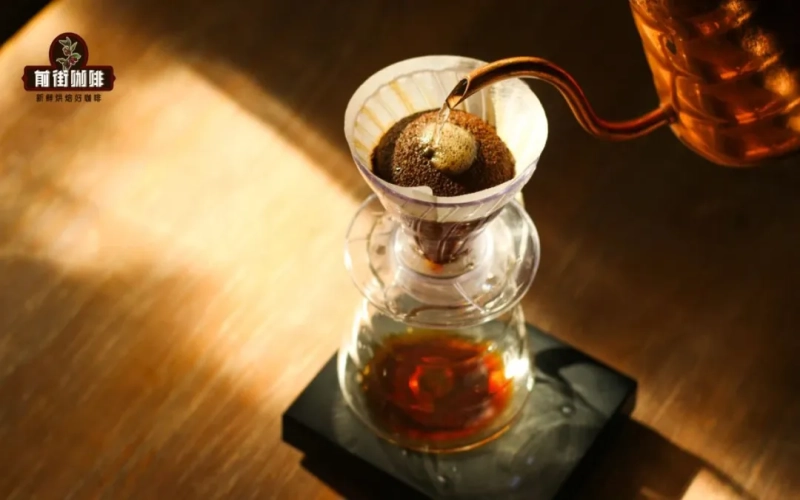
Analysis of Flavor Differences Between Hot and Iced Pour-Over Coffee: Extraction Yield, Water Temperature Ratio Parameters, and Tasting Experience Comparison
When tasting a new bean, why is it recommended to choose a hot brew first? This article delves into the flavor differences of black coffee made by pour-over, French press, siphon, and other methods under hot brewing and iced brewing from the perspectives of extraction yield, concentration, water temperature parameters, and so on. Taking pour-over coffee as an example, the article specifically compares the different settings of hot brewing and iced brewing in terms of coffee-to-water ratio, grind size, water temperature, and other parameters, and explains why iced brewing often requires sacrificing part of the extraction yield in exchange for higher concentration. At the same time, it also explores the influence of temperature on aroma, taste, and aftertaste, explaining why hot coffee can more fully present the complete picture of a bean. [more…]
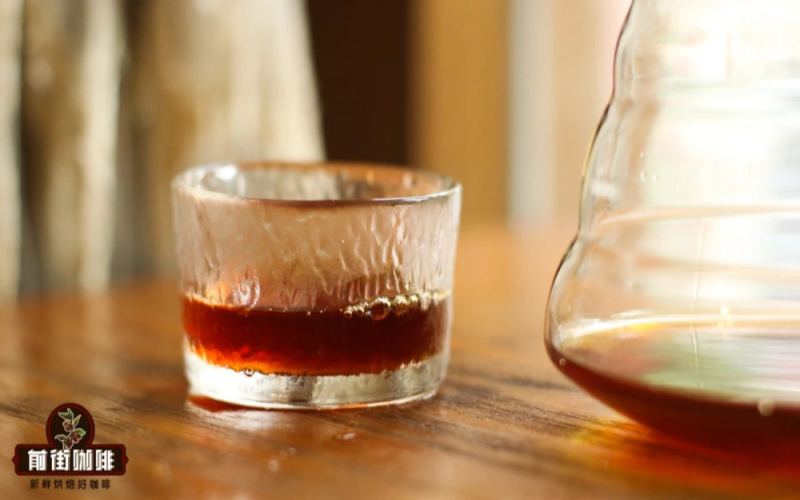
Why Is Cold Brew Iced Coffee Smoother? A Clear Explanation from Extraction Principles to Coffee Bean Selection
It's the same coffee grounds plus water, so why do hot brew and cold brew taste so different? Hot coffee is all about aroma and temperature, while cold coffee is a greater test of technique and quality. Starting from the definition, brewing methods, and chemical principles of cold brew coffee, this article compares the differences between hot and cold brewing in flavor, bitterness and acidity, and storage time, and explains why low-temperature slow extraction brings a softer mouthfeel. At the end, drawing on a range of single-origin beans and espresso blends from Front Street Coffee, it offers ideas on what coffee beans are suitable for cold brew, helping coffee lovers find their own cup of iced coffee in summer. [more…]
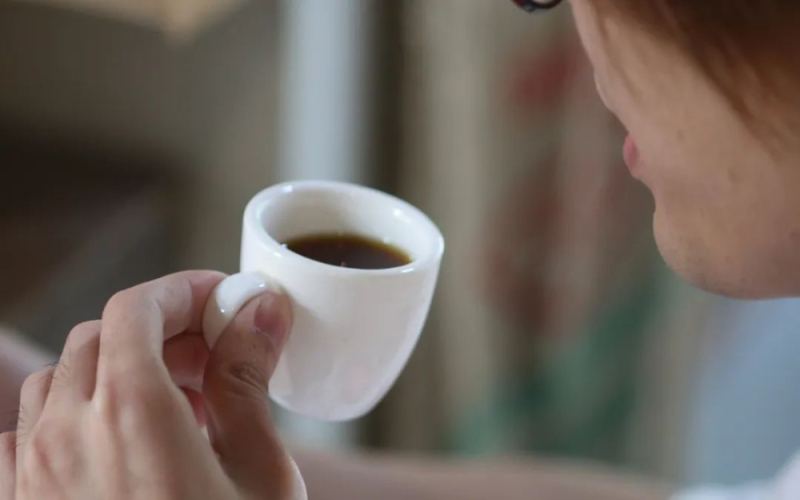
How Temperature Affects Pour-Over Coffee Flavor, Optimal Drinking Window, and the Patterns of Taste Change
When tasting pour-over coffee, you often hear the saying "you should drink it from hot to cold." This is not without reason—as the coffee liquid gradually cools, our taste buds' perception of acidity, sweetness, and bitterness quietly changes as well. So how exactly does temperature affect the presentation of flavor? What temperature range is best for drinking? This article starts from the scientific perspective of taste perception, combines Front Street Coffee's brewing and tasting experience, analyzes the flavor change patterns of pour-over coffee at different temperature stages, and offers recommendations on the best drinking temperature and timing to help you more fully capture a cup of coffee's layers and details. [more…]
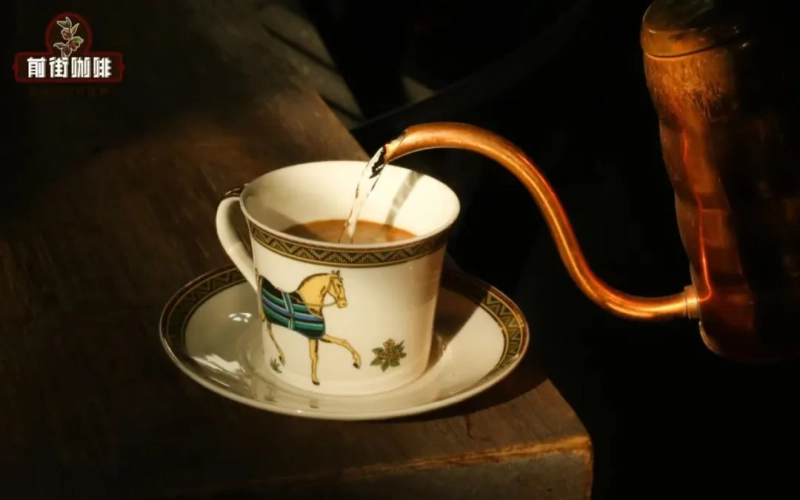
Hot Americano Coffee Water-to-Coffee Ratio and Water Temperature Selection: What Temperature Is Best for Brewing
Americano is made with espresso as its base, diluted with hot water. It seems simple, but in reality, both the water-to-coffee ratio and water temperature affect the final flavor. This article starts with the origin of Americano, provides a detailed analysis of the standard preparation parameters for hot Americano, and by comparing the tasting performance of four water temperatures—55°C, 65°C, 75°C, and 90°C—immediately after preparation, 5 minutes later, and 20 minutes later, identifies the most suitable water temperature range for dine-in hot Americano. The article also recommends several Front Street Coffee espresso beans and their Americano preparation parameters for coffee enthusiasts' reference. [more…]
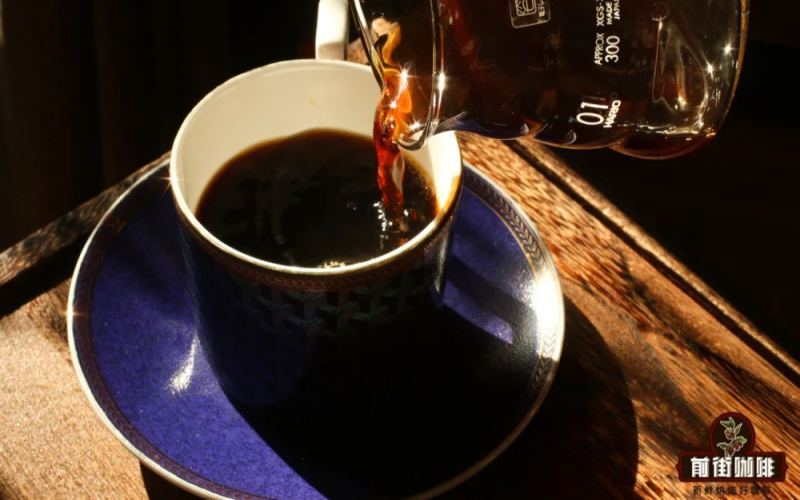
Why should coffee be enjoyed while hot? Can pour-over coffee be reheated? Which is better for black coffee: hot or iced?
The temperature of coffee has a tremendous impact on the taste experience—the same cup of coffee presents completely different layers of flavor at different temperatures. From the aroma of hot coffee to the complexity of warm coffee, and then to the technical performance of cold coffee, each stage has its own unique tasting value. This article will provide a detailed explanation of the optimal drinking temperature for coffee, the temperature ranges for milk coffee and pour-over coffee, whether cold coffee can be reheated, and how coffee flavors change at different temperatures. At the same time, drawing on Front Street Coffee's tasting experience, the article also offers practical drinking suggestions for coffee lovers, helping everyone enjoy the most complete flavor expression of a cup of coffee within the appropriate temperature window. [more…]
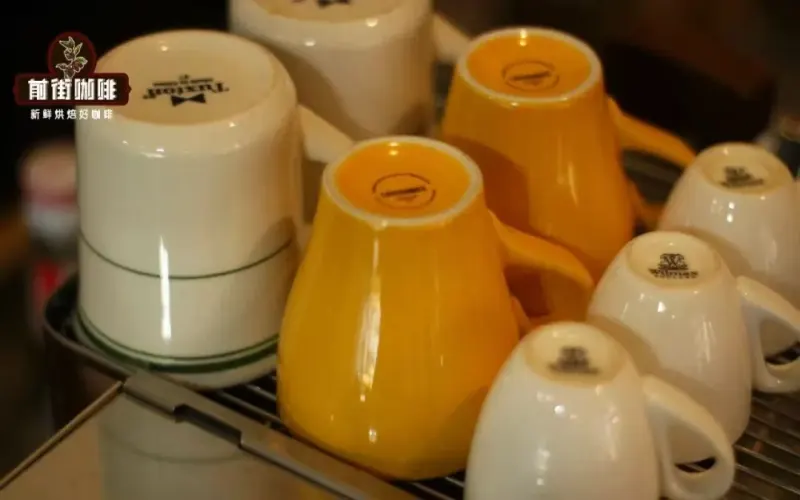
Do Pour-Over Coffee Cups and Carafes Need to Be Preheated? How Temperature Affects Flavor Presentation
When brewing coffee, should you preheat the cup and pot beforehand? This question has long been debated among coffee enthusiasts. Some believe that warming the cup slows down the cooling of the coffee, while others feel that not warming the cup actually allows you to taste the coffee's full flavor sooner. This article starts from the effect of temperature on the taste buds, combines it with specific brewing data, and analyzes the different tasting experiences brought by preheating versus not preheating the coffee cup and coffee pot. The article also uses the Front Street Coffee Dividing Line Sidra bean for a practical comparison, to see how the same coffee presents its aroma and flavor under the two conditions, helping you make a more suitable choice in different scenarios. [more…]
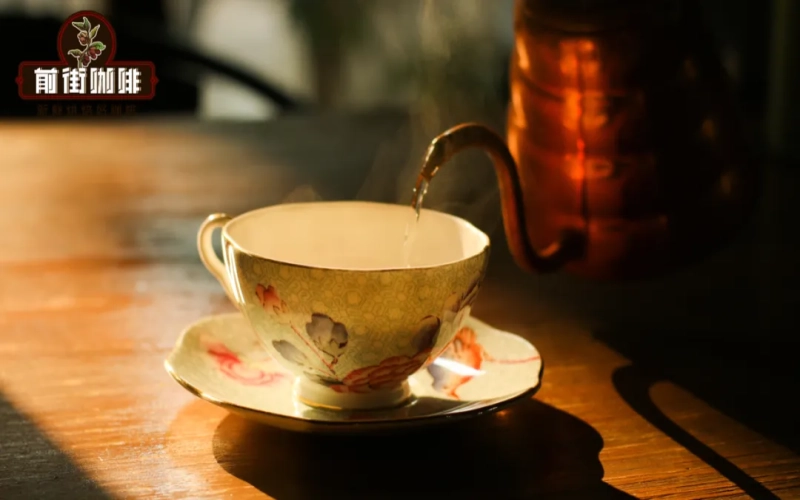
Examining the Necessity of Warming Coffee Cups: How Temperature Affects Flavor Perception and the Milk Temperature Requirements for Lattes
In recent years, there has been ongoing debate about whether the traditional practice of warming coffee cups is practical. Some believe that warming the cup is an unnecessary step, as the taste of coffee will not change due to the cup's temperature; others insist that warming the cup helps retain heat and prevents the coffee from being cooled by absorbing heat from the cup. Front Street Coffee points out that whether to warm the cup depends on the situation. Although the taste of coffee itself does not change with temperature, our ability to perceive flavor does change with temperature. For example, with pour-over coffee, after preheating the container, the extraction temperature is about 70°C, which is too hot to drink and the flavor is not obvious; when the cup is not warmed, it is about 65°C, which is palatable and rich in taste. Although the temperature difference between the two is small, the initial taste experience is completely different. So, is pour-over coffee better without warming the cup? What are the requirements for milk temperature in a latte? This article will provide a detailed analysis for you. [more…]
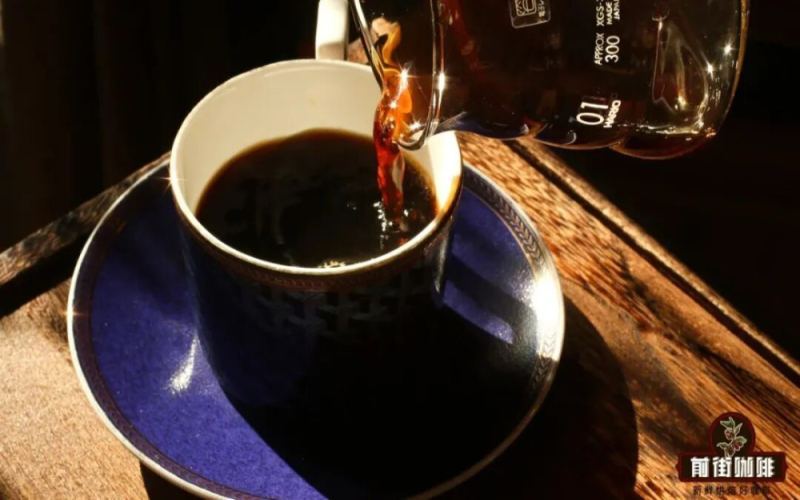
How Does the Flavor of Pour-Over Coffee Change After It Cools? Can You Reheat It and Keep Drinking? A Professional Analysis of Temperature's Effect on Taste
Drinking coffee while it's hot is the only way to enjoy it—this is the consensus among many coffee lovers. But when a pour-over goes from scalding hot to lukewarm, or even completely cold, what exactly happens to the flavor? When coffee goes cold, some people try to rescue it by reheating it—is this approach viable? From the professional perspective of Front Street, this article breaks down in detail the differences in how taste buds perceive sweetness, acidity, and bitterness across different temperature ranges, analyzes the deterioration in mouthfeel caused by aroma loss, oil oxidation, and precipitation of soluble compounds after coffee cools, and uses a tasting example of Sidamo Alo to illustrate the concrete flavor expression at each stage—high temperature, medium temperature, and low temperature. At the same time, the article offers practical advice on reheating, providing reference temperature ranges for warming back up according to the different characteristics of medium-light roasts and medium-dark roasts, helping readers minimize waste as much as possible while preserving the pleasant experience a cup of coffee should have. [more…]
How
Hot Americano may seem like just espresso with hot water, but the water temperature directly affects the aroma, the balance of acidity and bitterness, and the drinking window. Front Street Coffee used the Warm Sun blend as the base and brewed Americanos at four water temperatures—55°C, 65°C, 75°C, and 90°C—then compared them through tastings at three points: immediately after brewing, at the 5-minute mark, and at the 20-minute mark. The experiment found that at the moment of serving, 65°C delivered the best overall performance, while over the course of 20 minutes, 75°C performed better overall. The article also recommends a serving temperature of 75±5°C for dine-in hot Americanos and offers practical tips such as preheating the coffee cup and distinguishing between dine-in and takeaway preparation. [more…]
What Is the Ideal Water Temperature for a Hot Americano? A Comparative Experiment from 55°C to 90°C and the Perfect Ratio Recipe
The difference between a hot americano and an iced americano ultimately comes down to whether the espresso is combined with hot water or iced water. This seemingly simple combination actually involves a lot of nuance—water temperature, the coffee-to-water ratio, and the timing of tasting all influence the final flavor of an americano. This time, Front Street Coffee brewed hot americanos with four different water temperatures—55°C, 65°C, 75°C, and 90°C—and compared them at three points in time: just after brewing, 5 minutes later, and 20 minutes later. Using measured data, we’ll tell you which temperature is best for serving a hot americano for dine-in, and reveal the complete pattern of how coffee flavor changes over time at different water temperatures. [more…]

Does Steaming Milk Too Hot Make a Latte Taste Worse? Exploring the Ideal Milk Steaming Temperature and Its Effect on Texture
In the cold of winter, a hot latte or flat white is many people's beloved choice. Many customers ask for "the milk to be steamed hotter," but baristas often insist on the widely accepted steaming range of 55°C–65°C. Why does milk coffee, once the temperature rises, instead become scalding, less sweet, and coarse in mouthfeel? The core reason lies in protein denaturation and changes in lactose sweetness. Starting from the principles of milk foam formation, this article explains why milk above 70°C leads to difficulty in latte art, separation of foam and coffee, and accelerated foam collapse, and points out that 68°C is already the peak temperature. It also shares the experimental conclusion of Front Street Coffee: 60°C–70°C is the range where lactose sweetness is most pronounced. Finally, it offers practical suggestions, such as using preheated ceramic cups to slow cooling, so that milk coffee maintains its best flavor at a suitable temperature. [more…]

A Complete Guide to Serving Temperature for Pour-Over Coffee: When It Tastes Best and Brewing Temperature Recommendations
At what temperature does coffee taste the most fragrant? This is actually closely tied to how our taste buds perceive flavor. The tongue's sensitivity to sweet, sour, and bitter changes with temperature, and since aromas are released to different degrees at different temperatures, hot pour-over coffee has an ideal tasting range. From the perspective of Front Street, this article explains how temperature affects flavor, analyzes why freshly brewed coffee shouldn't be drunk right away, and answers related questions about thermos cups, reheating, and iced pour-over. Finally, Front Street will also share its consistent advice on "hot vs. iced." [more…]
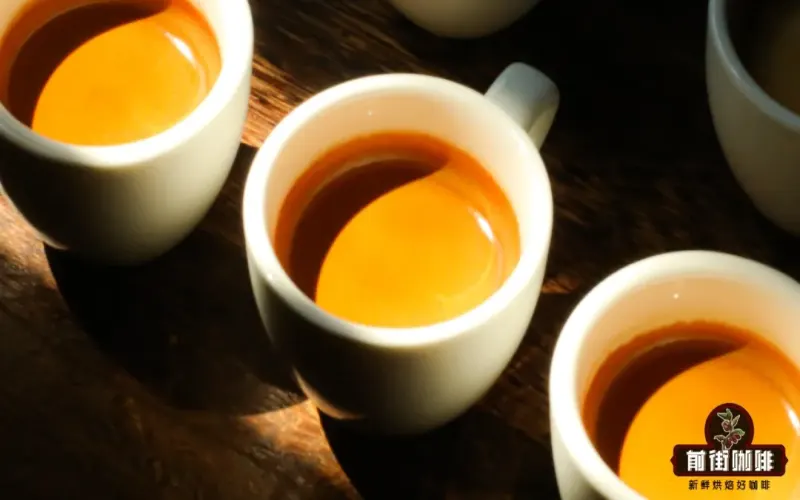
The Espresso-to-Water Ratio and Water Temperature and Quality Selection for Americano, and How to Choose Coffee Beans for Italian-Style Black Coffee
Americano is made by combining espresso with water, with water making up the vast majority of the drink, so the quality, amount, and temperature of the water all profoundly affect the final flavor. Drawing on Front Street's practical experience, this article explains in detail how water hardness affects the taste when making an Americano, the recommended ratio of espresso to water, and the suitable water temperature range for hot Americanos in different drinking scenarios. It also discusses how medium-to-dark roast espresso blend beans perform when used to make black coffee, helping coffee lovers achieve a fuller, clearer-flavored Americano in their daily brewing. [more…]
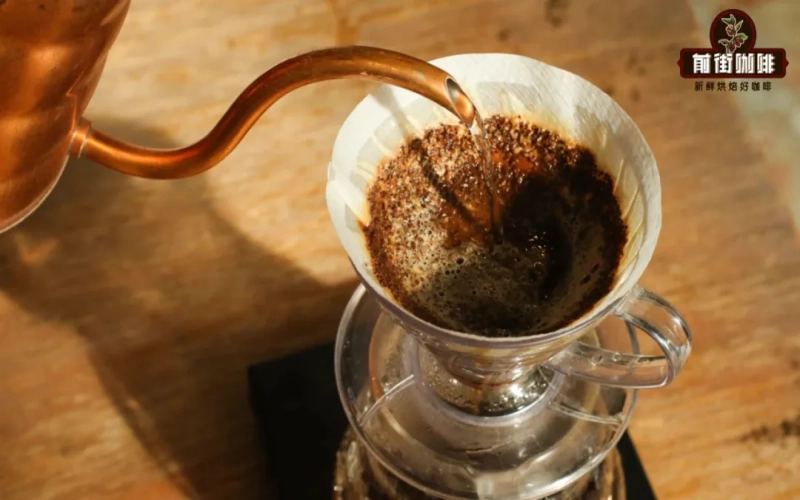
A Complete Analysis of the Optimal Drinking Time for Pour-Over Coffee and How Temperature Changes Affect Flavor
A freshly ground and brewed cup of coffee, like the coffee beans themselves, has its own optimal tasting window. Coffee aromas volatilize easily, and temperature constantly affects how the taste buds perceive sweetness, acidity, and bitterness. Therefore, from the moment it is brewed, the flavor continuously changes with time and temperature. Front Street Coffee compares the tasting performance of dark-roasted Golden Mandheling and light-roasted Gedinding at different time points, documenting the evolution of aroma, mouthfeel, and taste, to find the limit of coffee's tasting window under normal standing conditions. It will also answer common questions such as whether reheating can restore the flavor, and how to extend aroma retention with a lid or thermos, helping you seize the most brilliant drinking window of every cup of coffee. [more…]